
Living In Canada
A small injury turned into a real look at how Canada’s healthcare system actually works, piece by piece.
Canada healthcare wait times became very real to me a few months ago, and the reason was almost embarrassingly small: I broke my toe. It did not even hurt that much, which is exactly why the whole situation left me so confused about how the system is set up.
So here is the short version first, since I know some of you just want the answer. My toe was broken. I never needed a cast. I am completely fine now. But getting to that simple conclusion took a family doctor booking system that could not see me for three weeks, an six hour wait at an urgent care centre, and a separate trip to a completely different building just to get an X-ray. None of that happened because anyone did a bad job. It happened because the pieces of the system barely talk to each other.
What Actually Happened To My Toe
I stubbed my toe pretty hard, and for a day or two I brushed it off. It was not the kind of sharp, screaming pain I expected from a fracture. Instead, it just turned a deep shade of purple and swelled up like a small balloon. I figured a bruise like that would calm down within a few days.
It did not. Days went by, the swelling stayed put, and pressing on it still made me wince. That is when I started wondering if there was an actual break under all that bruising, and I decided it was time to see someone about it.
Why I Could Not Just See My Family Doctor
I am lucky enough to have a family doctor here in Vancouver, so my first move was to book an appointment through the clinic’s website. When I saw the next available slot was more than three weeks away, I honestly laughed a little. By the time that appointment rolled around, a hairline fracture would have had plenty of time to heal on its own, for better or worse.
If you have spent any time researching this, you already know I am not describing anything unusual. Family doctor access across British Columbia varies a lot by region, and it is common for people to wait anywhere from a few weeks to several months just to get in front of their own family physician, especially in dense areas like Vancouver. Some residents on provincial waitlists wait even longer just to be matched with a family doctor in the first place, through the province’s Health Connect Registry.
If you are the kind of person who assumes a public healthcare system means fast access whenever you need it, this is usually the first reality check. Coverage and access are two very different things, and my toe was about to teach me that lesson in detail.
Walk In Clinics, Urgent Care, and Why Triage Matters
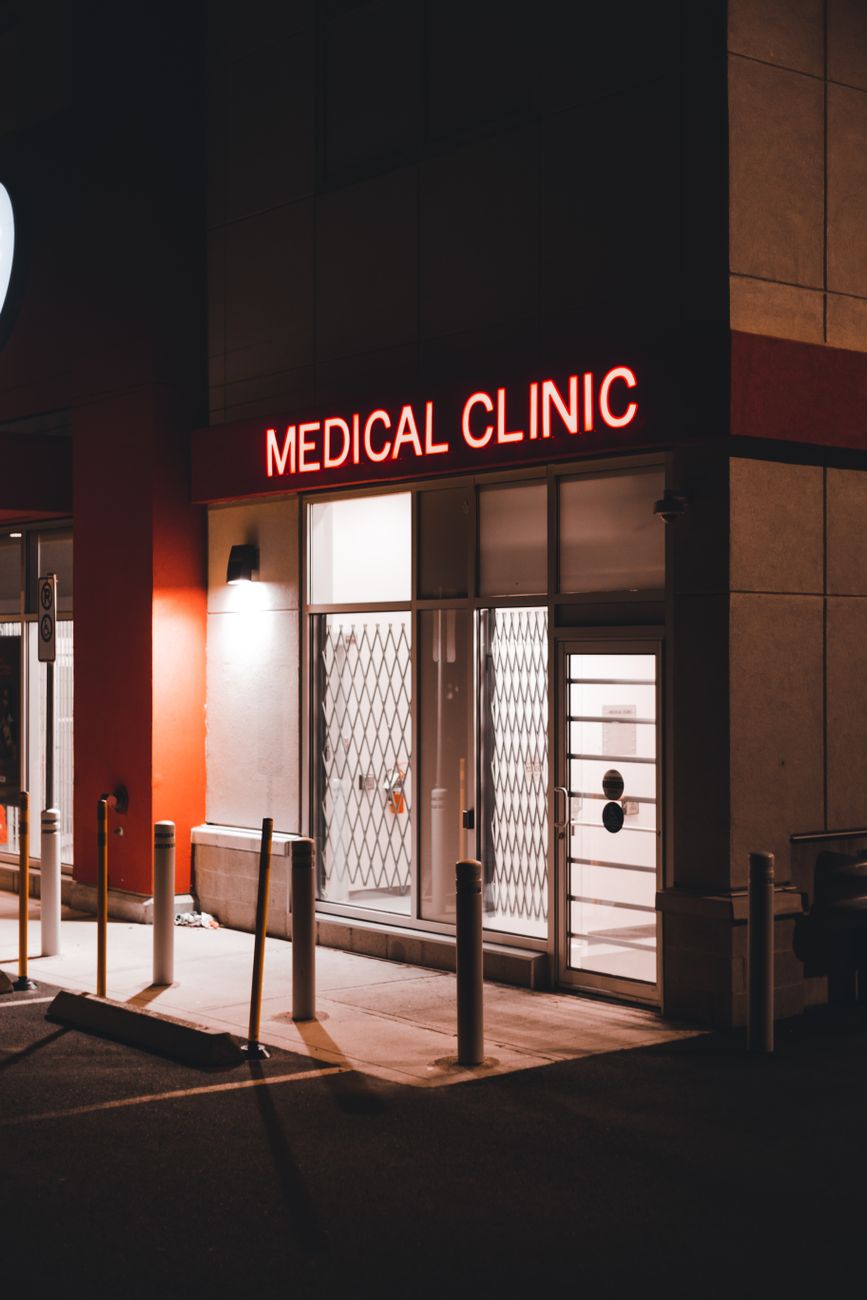
My next instinct was a walk in clinic. I called around, and every single one nearby was fully booked for the day. This is where I learned that walk in availability in bigger BC cities often depends on getting there right when the doors open, not on how urgent your issue feels to you.
With that option gone, I headed to an urgent care centre instead. British Columbia’s urgent and primary care centres are meant to handle same day, non emergency concerns that still need attention fairly soon, and patients are seen in the order of how urgent their case is rather than the order they arrive in, according to HealthLink BC. It is worth knowing that these centres are not identical everywhere. Some locations are set up to handle things like broken bones, while others send anything resembling a fracture straight to an emergency department, so what counts as urgent care can genuinely depend on which clinic you happen to walk into.
Why Waiting Six Hours Still Made Sense, Sort Of
I got there before opening and was the third person to register that morning. I remember feeling almost proud of myself for planning ahead. Then I waited six hours before a doctor actually saw me.
At first I was annoyed, but once I understood how triage works, it made more sense. A toe that is already bruised and swollen after several days is simply not as urgent as someone coming in with chest pain or a severe cut. People who arrived after me but with more pressing issues were seen first, and that is exactly how the system is designed to work. I just was not prepared for how long a low priority wait could stretch on, and I do not think most people are until they experience it themselves.
If you are new to Canada, or you have only ever needed emergency style care back home where things move faster, this is the part that catches almost everyone off guard. Bring a book, a charged phone, and low expectations for your schedule that day.
The Separate X-Ray Trip Nobody Warns You About
When I finally saw the doctor, the appointment itself lasted about three minutes. He looked at my toe, agreed it could be broken, and said we needed an X-ray to confirm it. Here is the part that genuinely surprised me: the center itself did not have X-ray equipment on site. I had to go to a separate diagnostic imaging location far from there about 10min, and by the time I left the urgent care centre it was too late in the day, so I ended up going the next morning instead.
A few hours after the X-ray, the same doctor called me directly. The toe was in fact broken, but not badly enough to need a cast. Buddy taping it to the toe next to it would be enough.
My Honest Take: This Step Feels Backwards
I want to be fair here, because the care itself was fine and the doctor was kind and clear. But structurally, I could not stop thinking about how inefficient this setup is. If clinics that regularly deal with sprains, fractures, and minor injuries had imaging equipment right there, a patient could see the doctor, get the X-ray immediately, come back to the same doctor within the hour, and walk out with a full plan, cast or no cast, in one visit instead of two separate trips on two separate days.
I got lucky in the sense that my fracture did not need anything more than tape. But if it had needed a cast, I genuinely do not know what the next step would have looked like. Would I have had to go back to an urgent care centre and start the wait all over again? Would I have needed to track down an orthopedic clinic on my own? For a lot of people in that situation, the path of least resistance is simply going to an emergency department, which then adds one more non critical case to a system that is already stretched thin for people with actual emergencies.
Broken Toe Treatment: Buddy Taping vs a Cast
Since a few people asked me directly what buddy taping even means, I will explain it in plain terms. For minor, non displaced fractures in the smaller toes, taping the injured toe to a healthy neighboring toe is often enough support for it to heal, usually over several weeks, according to guidance from Cleveland Clinic. Casts and splints tend to be reserved for more severe breaks, fractures involving the big toe, or cases where the bone has shifted out of place.
Once I understood that scale, my case made a lot more sense. It genuinely was on the milder end, and I felt relieved rather than confused once the doctor explained it that way. Looking back, I wish someone had laid out that spectrum for me on day one instead of me piecing it together afterward.
What I Would Tell A Friend Dealing With A Minor Injury Here
If you are newer to Canada, or you simply have not needed non emergency care here before, a few things I picked up along the way might save you some frustration.
First, register for a family doctor early, even if you feel perfectly healthy right now. Waitlists do not shrink just because you are not using them yet, and having a family doctor changes almost every other part of this story for the better.
Second, call 811 before you decide where to go. The province’s health line can point you toward a walk in clinic, an urgent care centre, or an emergency department based on how serious your situation actually sounds, which can save you an unnecessary trip.
Finally, try to make peace with the wait itself. It is not personal, and it is not a reflection of how much anyone cares about your case. It is simply how a triage based system prioritizes people, and understanding that ahead of time makes the whole experience far less frustrating.
Wrapping Up: Is Canada’s Healthcare System Broken?
I do not think “broken” is quite the right word, but I do think it is disconnected in ways that add unnecessary friction to even minor issues. I never once worried about a medical bill through any of this, and that part of the system genuinely worked as intended. What did not work as well was the coordination between family doctors, walk in clinics, urgent care centres, and imaging facilities, all of which felt like separate systems I had to manually stitch together myself.
My honest, one line verdict: Canada’s healthcare system will take care of you, but you should expect to do a fair amount of the logistical work yourself along the way. A few weeks after this whole toe saga wrapped up, I ended up back in an actual emergency department for something a lot less minor, and that experience deserves its own post entirely. I will be sharing that one next.
Leave a Reply